

Blocking overlooked or unsightly views is usually high on a homeowner’s wish list when it comes to planning their dream garden. Luckily, plants for screening offer a wonderful natural and practical solution. Integrating living screens into garden designs is one of the most effective ways to blend functional privacy with natural beauty.
Whether you are adding screening for privacy around a garden boundary, to create sections within the garden itself, or to disguise certain elements, plants provide a soft, dynamic alternative to harsh fencing or hard landscaping.
Boundary Screening
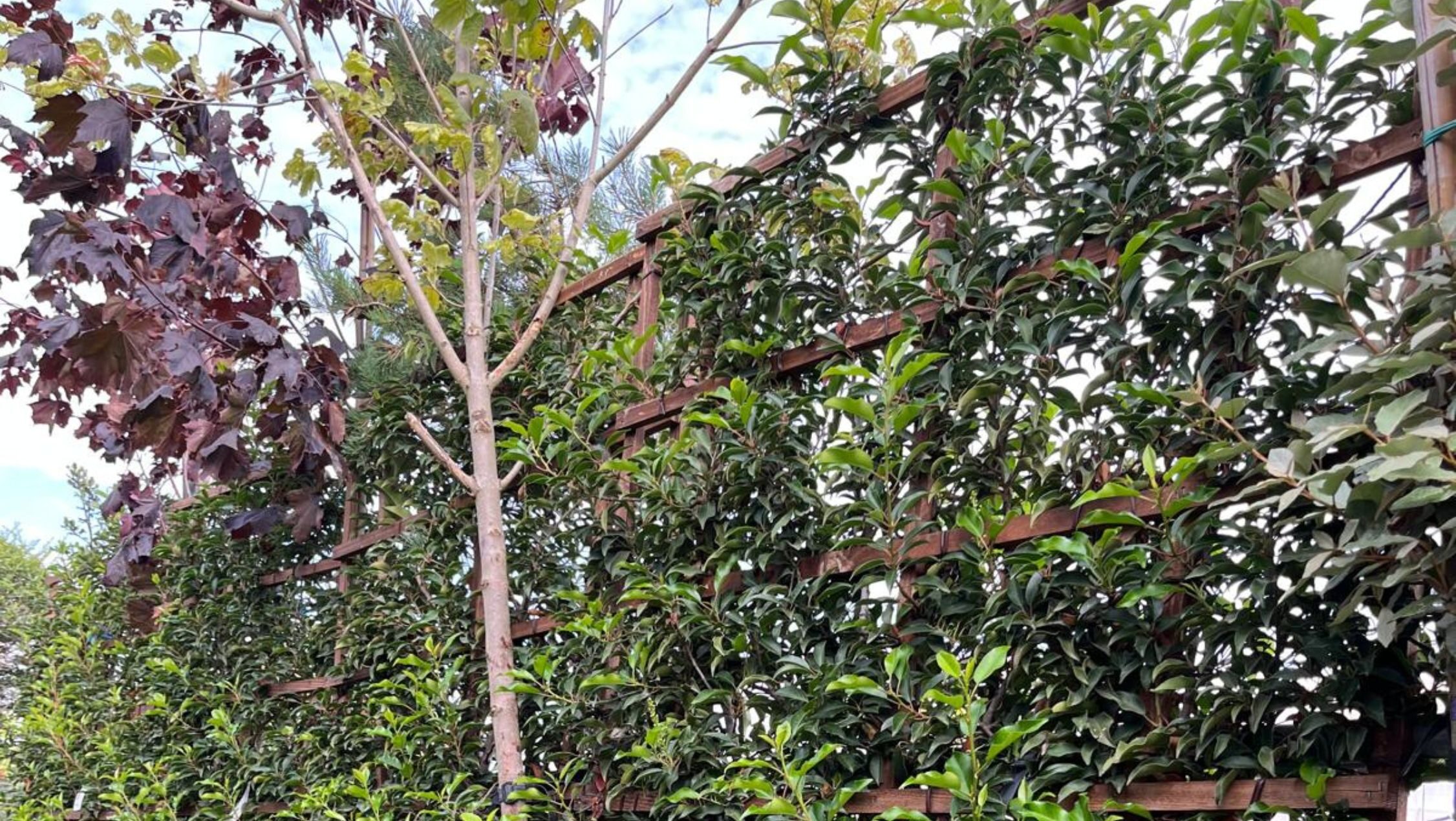
Planting near to your garden’s boundary can transform outdoor spaces into a private outdoor sanctuary. There is nothing worse than an overlooked view spoiling a garden oasis, or a plain fence or brick wall that the eye is drawn too. Plants and trees can be used to create a living wall, enhancing the view with heightened greenery and extending the planting from the rest of the garden. This results is a space that feels bigger and continues to flow, while providing privacy from neighbouring properties creating an inviting space that is private, giving homeowners a tranquil view whether they are immersed in the garden or looking out onto the garden.
Internal Zoning
Screening can also be cleverly created within the garden itself, with planting used as natural divisions to create “living rooms”, turning a flat, open space into an immersive experience. Screening in this sense adds depth to a garden’s design, making for an intriguing and mysterious space, inviting you to venture into the garden and explore what’s next. Screening can be used entirely to create a pathway and route around the garden, and to define certain spaces, perhaps enclosing a patio for a cosy, intimate dining nook, or separating a children’s play area into its own zone.
Screening to Disguise
Disguising unattractive features is one of the most practical uses of screening, but not one to be overlooked. From hiding bin areas to covering unsightly outbuildings, strategic screening camouflages elements that would otherwise interrupt the visual harmony and flow of a garden.
Suggested Plants
There is an extensive collection of plants that are suited to screening in different ways, with Viridis Plants supplying a premium selection of mature plants and trees, for a beautifully established landscape from day one, offering immediate results and privacy.
Below are some of our top picks for plants for screening. Factors like the growing conditions, the desired height of privacy screens and if screening is required year-round, will affect which plants are best suited for individual projects.
Pleached Trees:
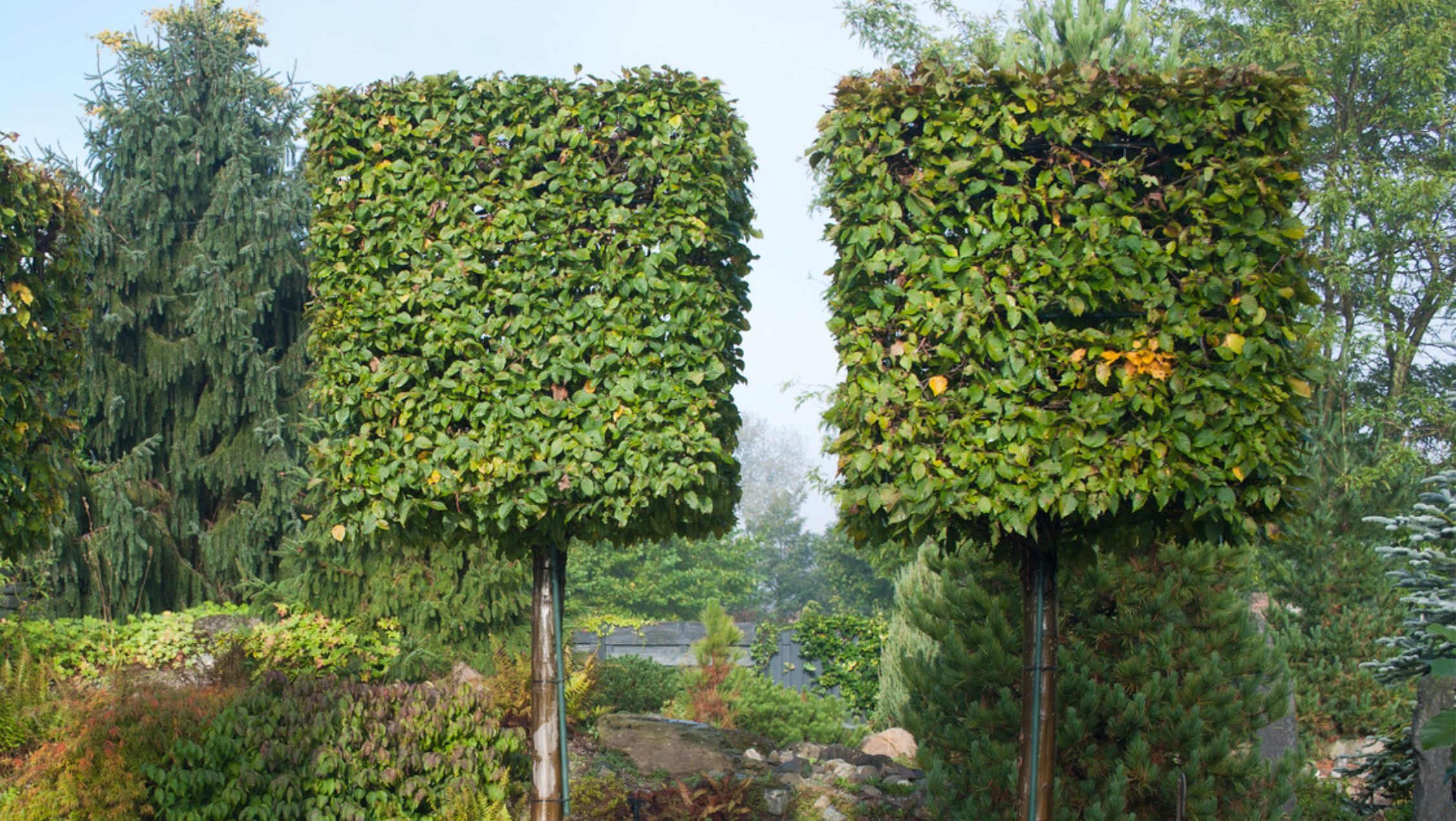
Pleached trees are a garden design favourite, offering a stylish solution for screening above a fence line. Expertly trained, they act as a ‘hedge on stilts’, featuring a flat-trained rectangular canopy atop a clear stem, great for blocking overlooked spaces from neighbouring properties, without taking up much space in the ground. Their space-saving footprint makes pleached trees an ideal option for narrow borders and smaller gardens where every square foot of space counts, while the clear trunk and elevated canopy allows light to reach any underplating, maximising the space further. While offering practical screening, these trained specimens add formal and architectural elegance to a design, bringing high-end geometric order, and a sophisticated structure to domestic gardens.
Some of our favourite evergreen pleached trees, invaluable for year-round privacy, include: Photinia × fraseri ‘Red Robin’ (Christmas berry), Prunus lusitanica ‘Angustifolia’ (Portuguese laurel), and Prunus laurocerasus ‘Novita’ (Cherry laurel).
Carpinus betulus (Hornbeam) or Fagus sylvatica (common beech) are premier choices for deciduous varieties that combine seasonal appeal with privacy. Unlike many deciduous trees, they retain many of their coppery-brown dead leaves, continuing to contribute to privacy throughout the winter months, after a brilliant display of autumn colour.
Standard Trees:
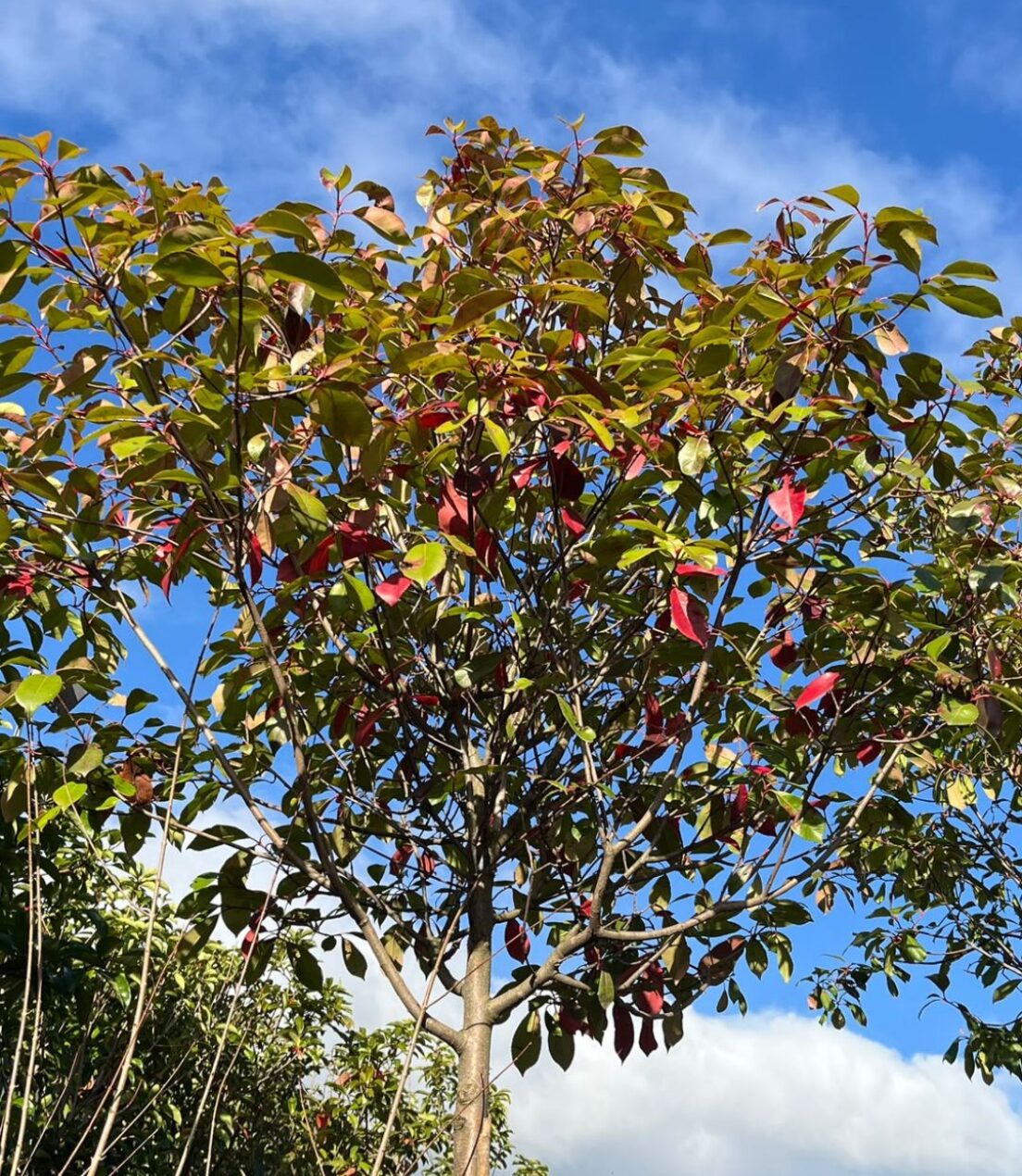
Standard trees naturally provide effective screening above fences or walls, with a dense canopy of foliage atop a clear stem, providing both privacy and an aesthetic appeal that draws the eye upwards. Look to evergreen varieties for a privacy solution that lasts all year long.
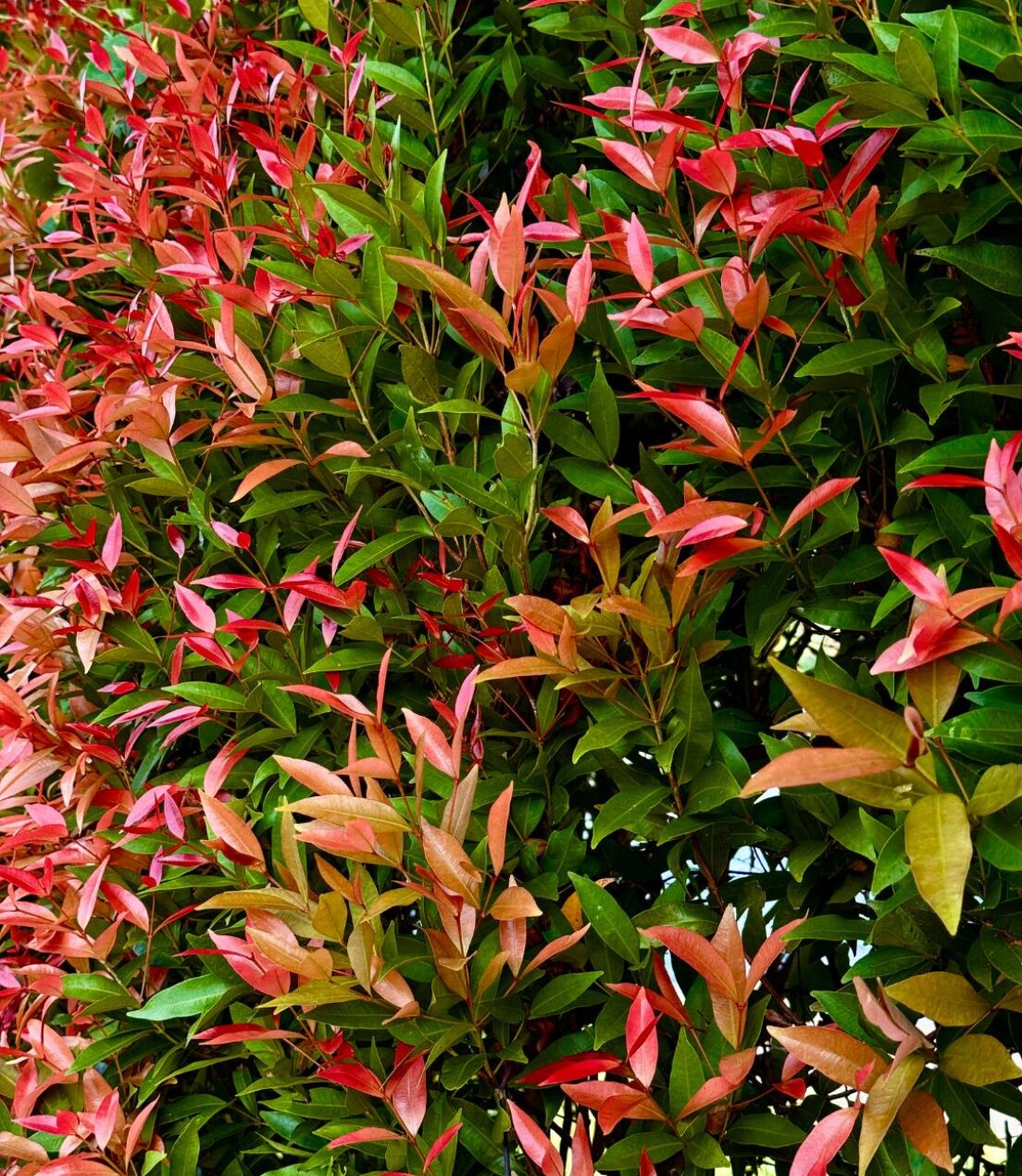
Photinia × fraseri ‘Red Robin’ is a valuable evergreen, which in a standard tree form provides high-level garden screening above the fence level. It’s a worthy addition for its shifting seasonal colour and punchy red flushes, which make it sing compared to traditional green-only screens. ‘Red Robin’ can also be grown as a screening hedge for a vibrant backdrop used around a boundary, or as a partition within a garden.
Deciduous trees are worth considering if year-round privacy isn’t a must. Whilst they lose their leaves in autumn and winter, deciduous trees provide a lush, dense screening throughout the spring and summer months, when you are likely to be out enjoying the garden the most. They offer features that change with the seasons for a dynamic display, whilst allowing more natural light into the garden over the winter months. Paired with evergreens, you could create an ever-changing privacy screen that combines the seasonal beauty of deciduous trees and the reliable, year-round privacy of evergreens.
Hedges:
Hedges can be evergreen or deciduous depending on the desired level of privacy required. Hedges provide a natural, durable boundary, while reducing noise and supporting biodiversity. They can be used around the garden boundary for increased privacy, or to create internal garden walls.
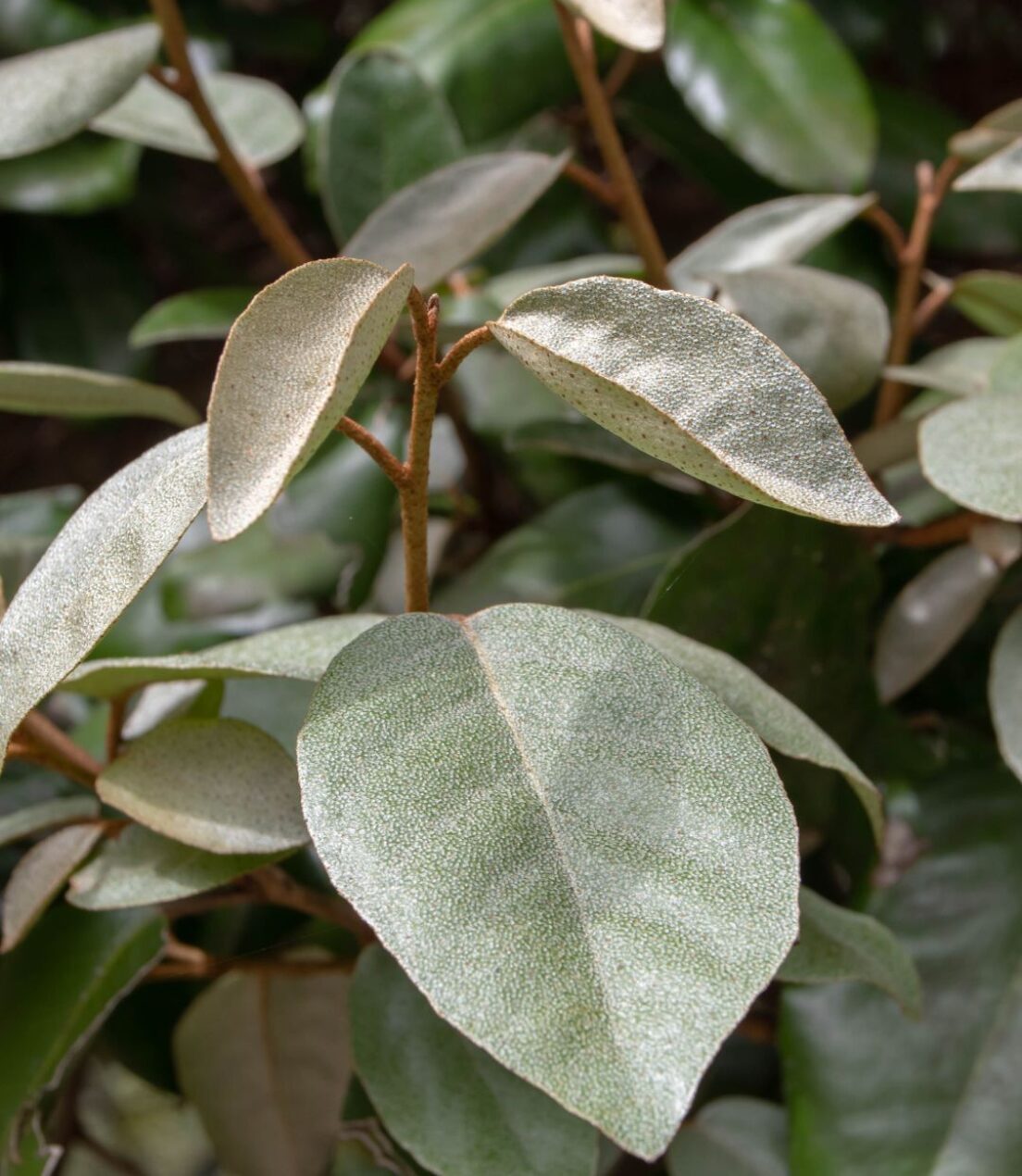
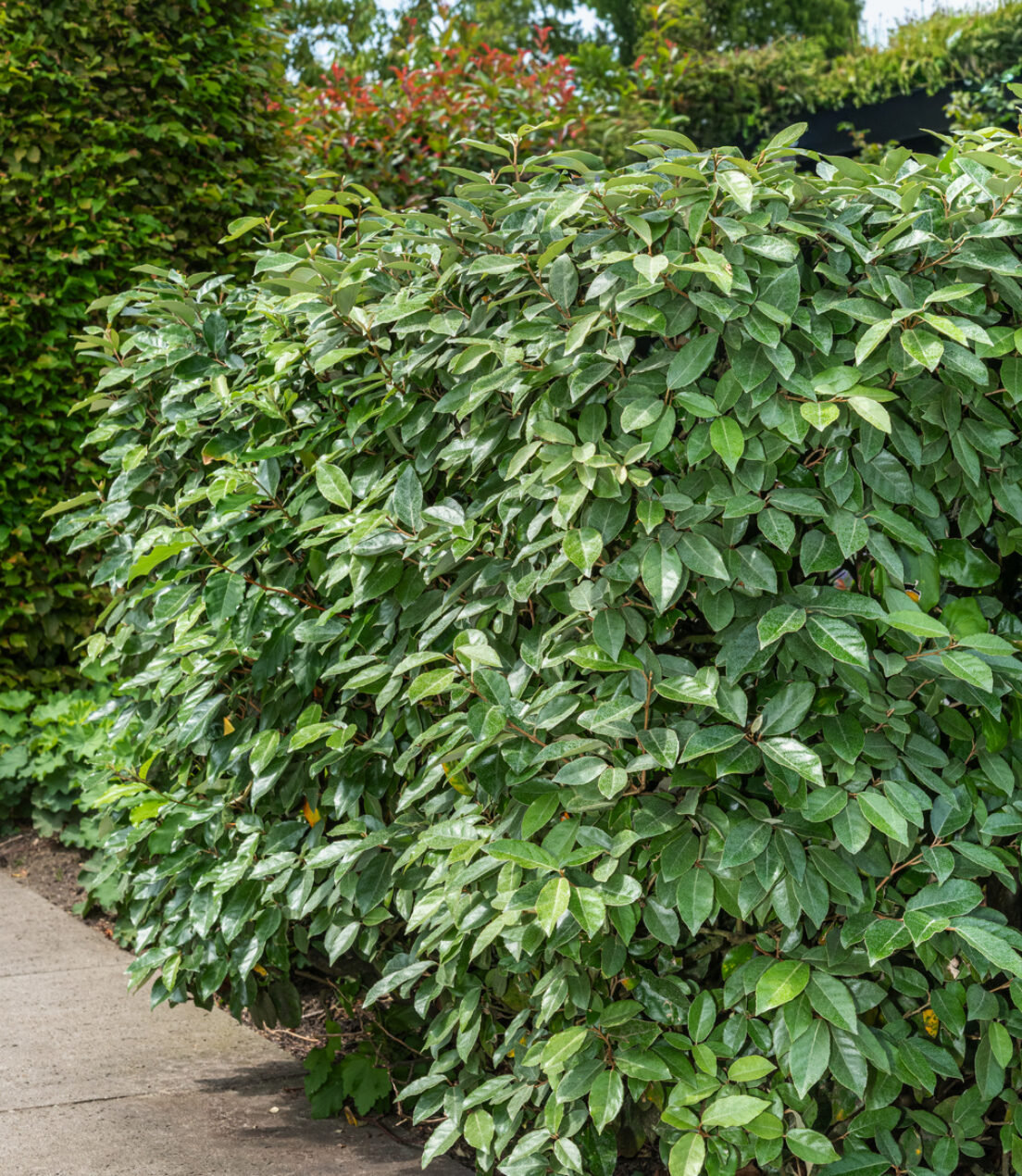
Taxus baccata (common yew) is a classic, native option that responds well to tight clipping for a formal green hedge. If you are after a year-round evergreen hedge that has something a little different to offer colourwise, like the already mentioned Photinia × fraseri ‘Red Robin’, then Elaeagnus × ebbingei’s (Ebbinge’s silverberry) metallic foliage might be the perfect screening for you. Its attractive leaves feature a top side that is metallic grey-green, sometimes bronze-tinted, and scaly and silvery underneath. The foliage forms a dense hedge, with the added seasonal benefits of small, fragrant white flowers in the autumn, followed by winter berries (also available in tree forms for heightened screening).
Multi-Stem Trees:
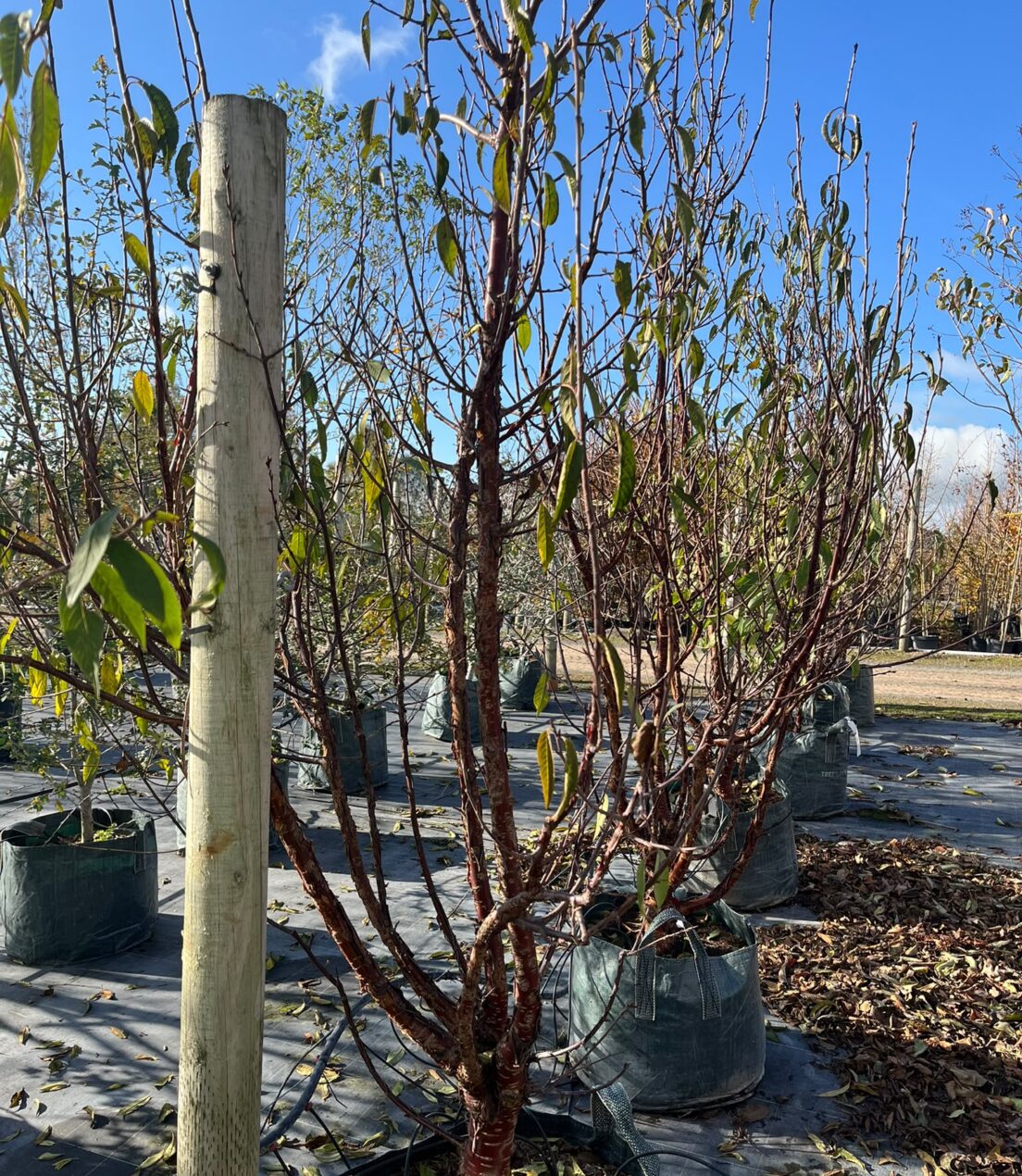
Multi-stems are trees that feature several distinct trunks from the base of the plant, bringing an organic, architectural structure that is open and airy. Multi-stems are a wonderful option if you are looking for a dappled, or loose privacy screen, rather than a dense blackout. They can offer strategic privacy, placed and angled to block specific sights, without completely closing off your garden or sunlight. Used within a garden rather than near a boundary, they create visually striking statements that offer beautiful sneak peaks at eye-level between the trunks, adding depth to a garden’s design that reveals other areas of the garden. Their distinct branching structure adds character and maturity, helping schemes feel established from the get-go.
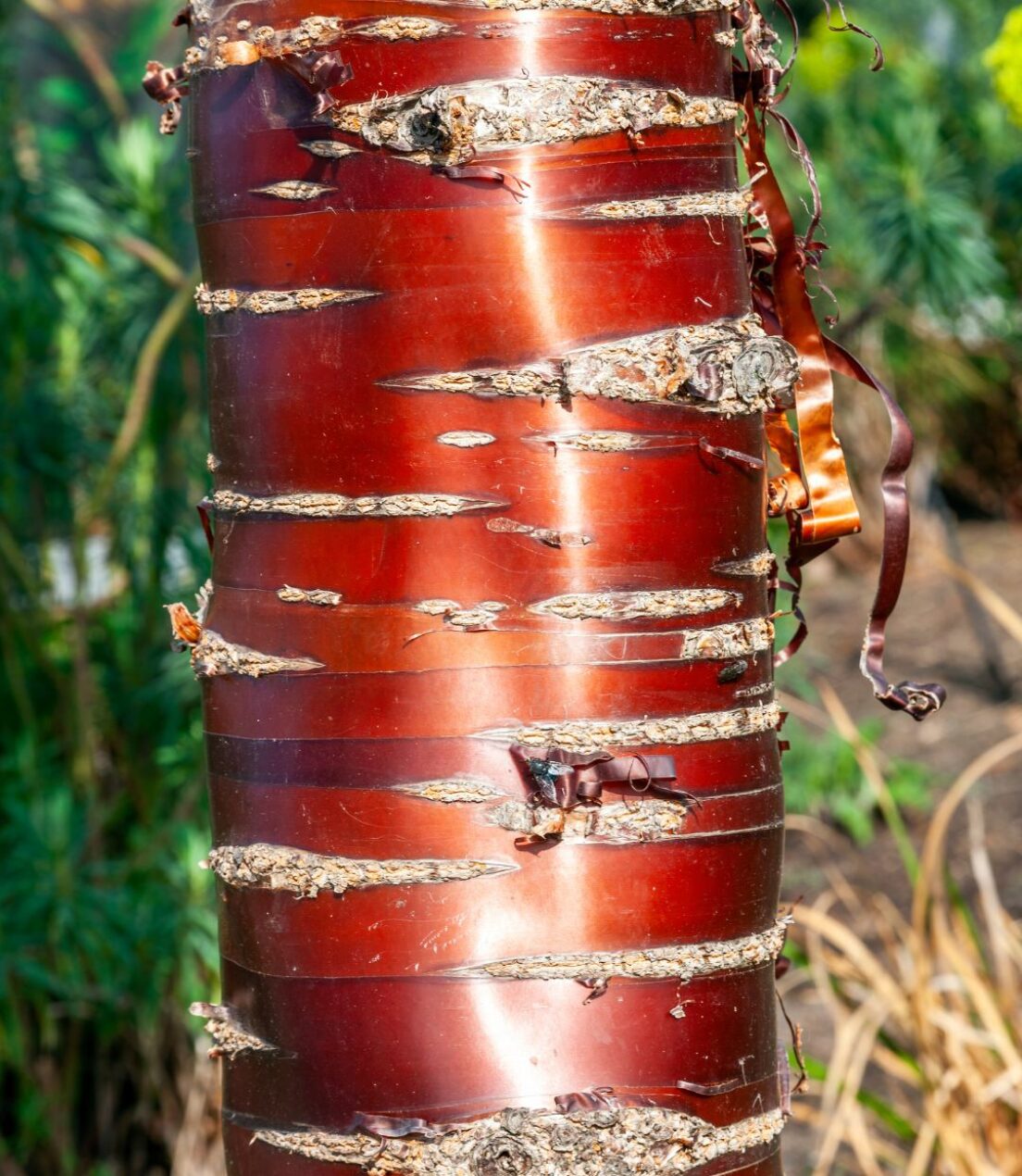
Amelanchier lamarckii (snowy mespilus) is a favourite small, deciduous multi-stem tree prized for its seasonal display. But there are some wonderful deciduous multi-stems that continue to delight and offer compelling winter structure even once their leaves have fallen. Betula utilis jacquemontii (West Himalayan birch), Heptacodium miconioides (seven son flower tree) and Prunus serrula var. tibetica (flowering cherry blossom tree) have the added winter bonus of dramatic bark interest.
Betula utilis jacquemontii remains its luminous, peeling bark interest throughout the depths of winter, along with the decorative tan bark of Heptacodium miconioides, peeling off in papery strips once its leaves have fallen. Prunus serrula var. tibetica also particularly earns its place in the winter landscape for its warming bark that glows like polished bronze or copper, peeling with age.
Tall Grasses:
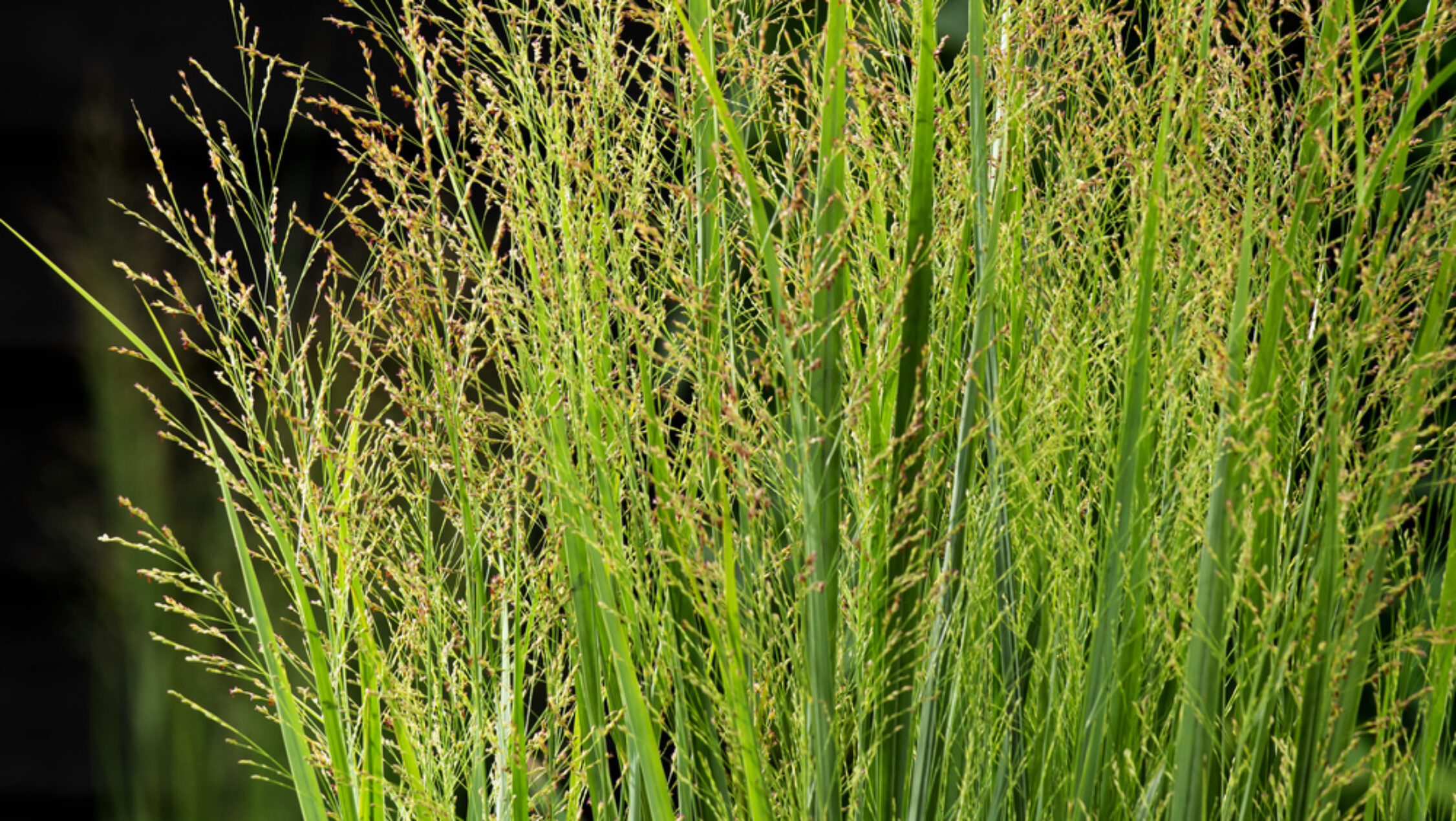
A softer approach to screening: Tall ornamental grasses provide a gentle, lightweight screen that works well as a ‘see-through’ layer, dividing the space within a garden while still allowing glimpses through, creating an invitation to explore what’s still to come. These low-maintenance additions make a fast-growing screen, growing in tight, upright clumps, ideal for narrow beds where bulky shrubs won’t fit, with the added benefit of texture and movement for a dynamic, naturalised partitioning.
Panicum virgatum ‘Northwind’ (switch grass) is a popular, award-winning grass, prized for its screen of flat, blue-green leaves and airy flower panicles that grow to 1.5m tall, staying upright even in strong winds.
Bamboo (Non-Invasive):
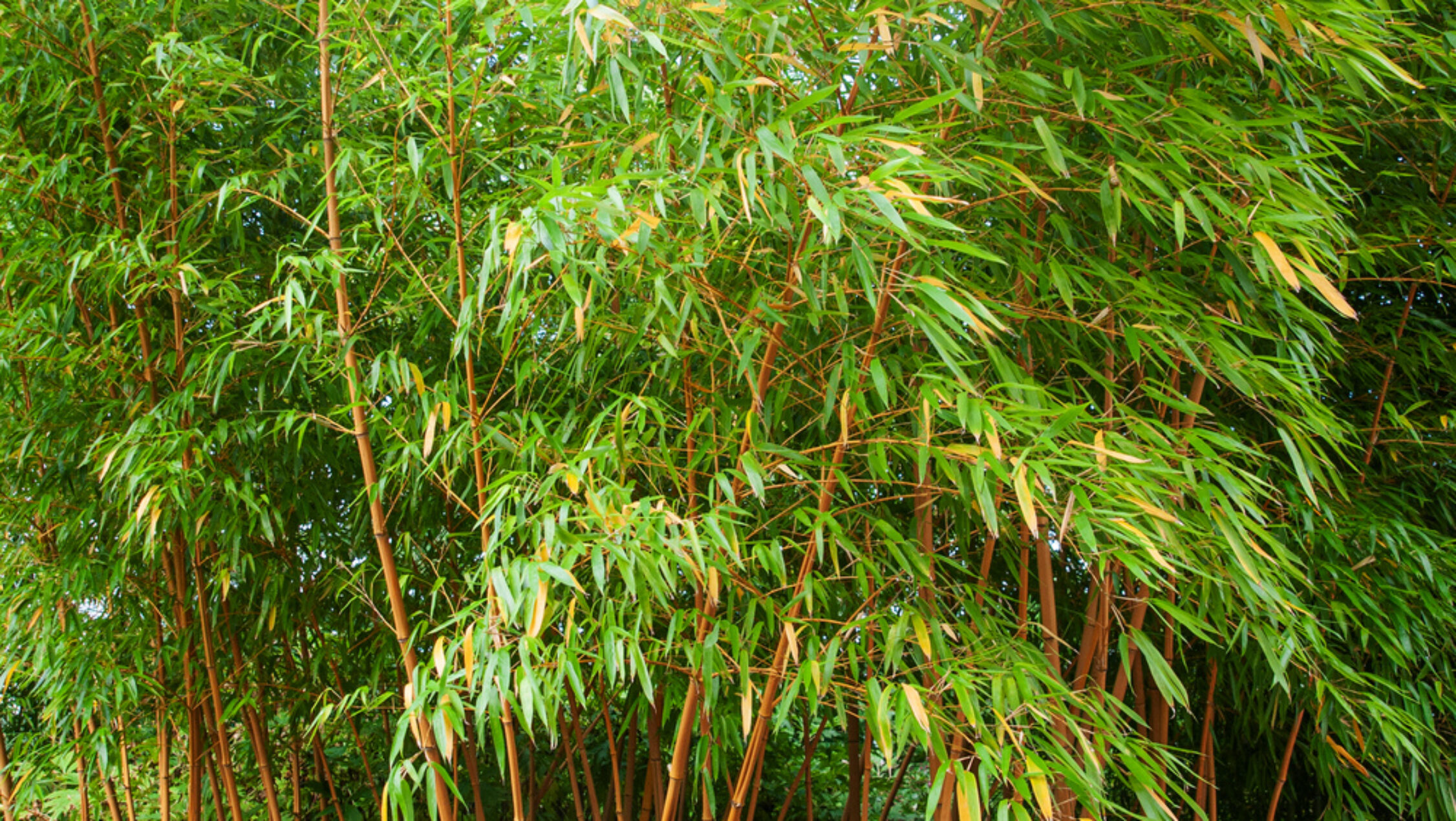
Bamboo is a popular choice for screening thanks to its fast-growing, clump-forming nature. Look to non-invasive varieties for a rapid response to privacy issues that will remain vibrant all year round, while taking up little space. Bamboos create a tall, dense screening with vertical lines, that unlike the walls of hedges, lets through filtered light, casting shifting shadows. As well as effective screening in almost any scenario, they bring an aesthetic appeal that adds a modern oriental look, with clean, architectural lines. Tall, hollow canes and thin, papery leaves add movement and sound that is heightened in the wind, for a dynamic living wall that offers a relaxing and immersive sensory experience.
Phyllostachys aurea (golden bamboo), is an exceptional example of non-invasive bamboo, forming fast-growing clumps of dense, vertical canes and lush green foliage. Its golden-yellow stems and adaptability make it a popular choice for screens, hedges, and ornamental plantings.
Climbers:
Climbers are a natural choice for screening existing vertical structures, cloaking fences, walls or pergolas in greenery.
Evergreens give a lasting screen that doesn’t vanish over winter. Look to climbers like Hedera helix (English Ivy), Trachelospermum jasminoides (star jasmine), Passiflora caerulea (blue passion flower) and Clematis armandi (Armand clematis) for a vigorous, year-round covering.
Mobilane Screens:
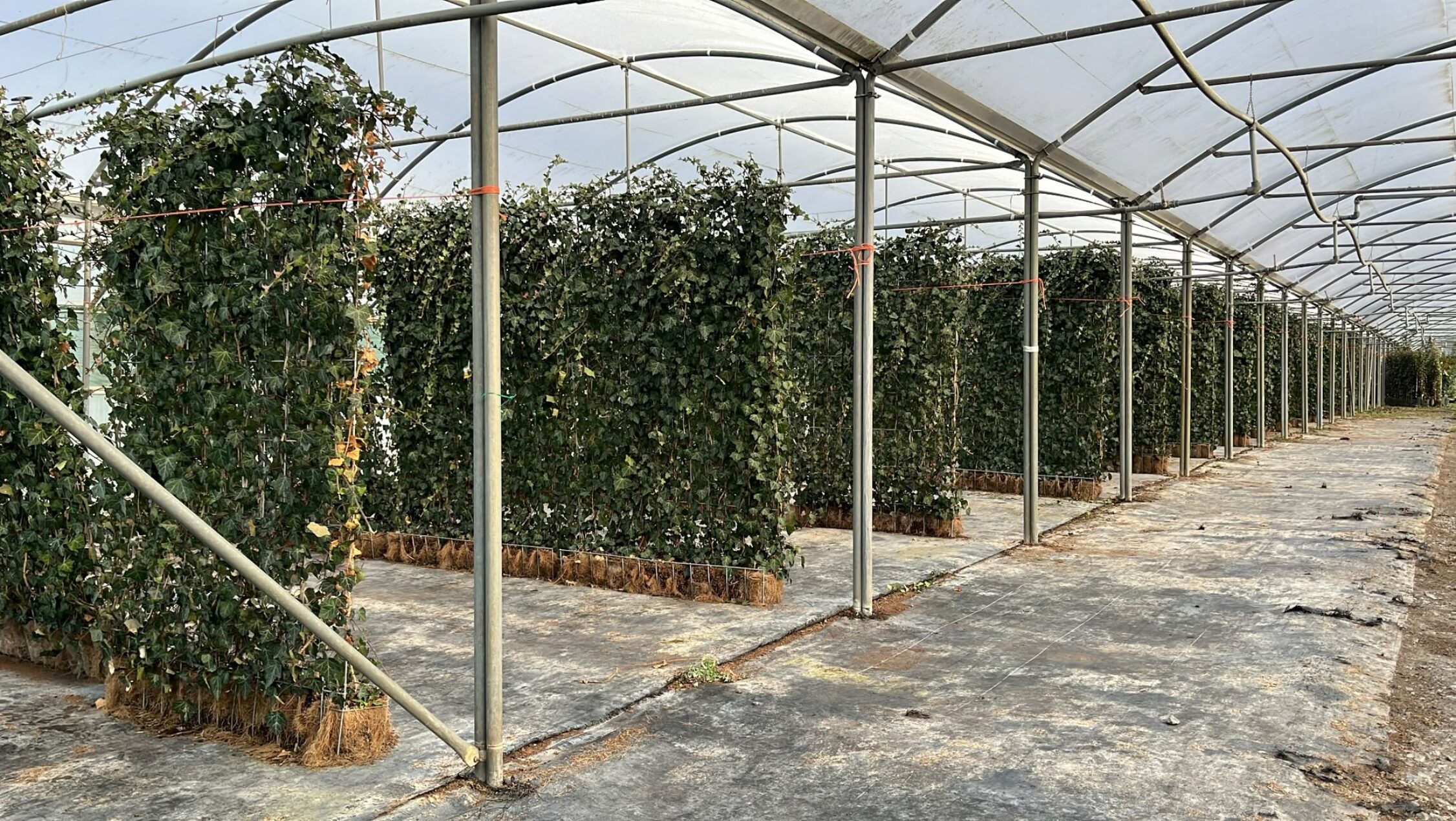
Viridis Plants are also proud suppliers of Mobilane screens, alongside our vast plant and tree screening options. These natural mature screens offer instant screening and impact, composed of a metal frame covered entirely with strong, dense climbing plants (available in different native species), planted in an organic, biodegradable planter. This ready-made screening option is great for concealing garden boundaries, as a divider to create garden rooms, disguising sights like bin areas, and planting in wooden containers on balconies.
Regulations in the UK: Always check local council guidelines regarding maximum height restrictions for planting near garden boundaries, conservation area rules, or visibility near public highways.
Our experienced horticulturists and sales team are always on hand to offer advice on plants for your next project: enquiries@viridisplants.co.uk
Sign up to our webshop to view live stock availability, get instant quotes and place orders quickly and efficiently: shop.viridisplants.co.uk/